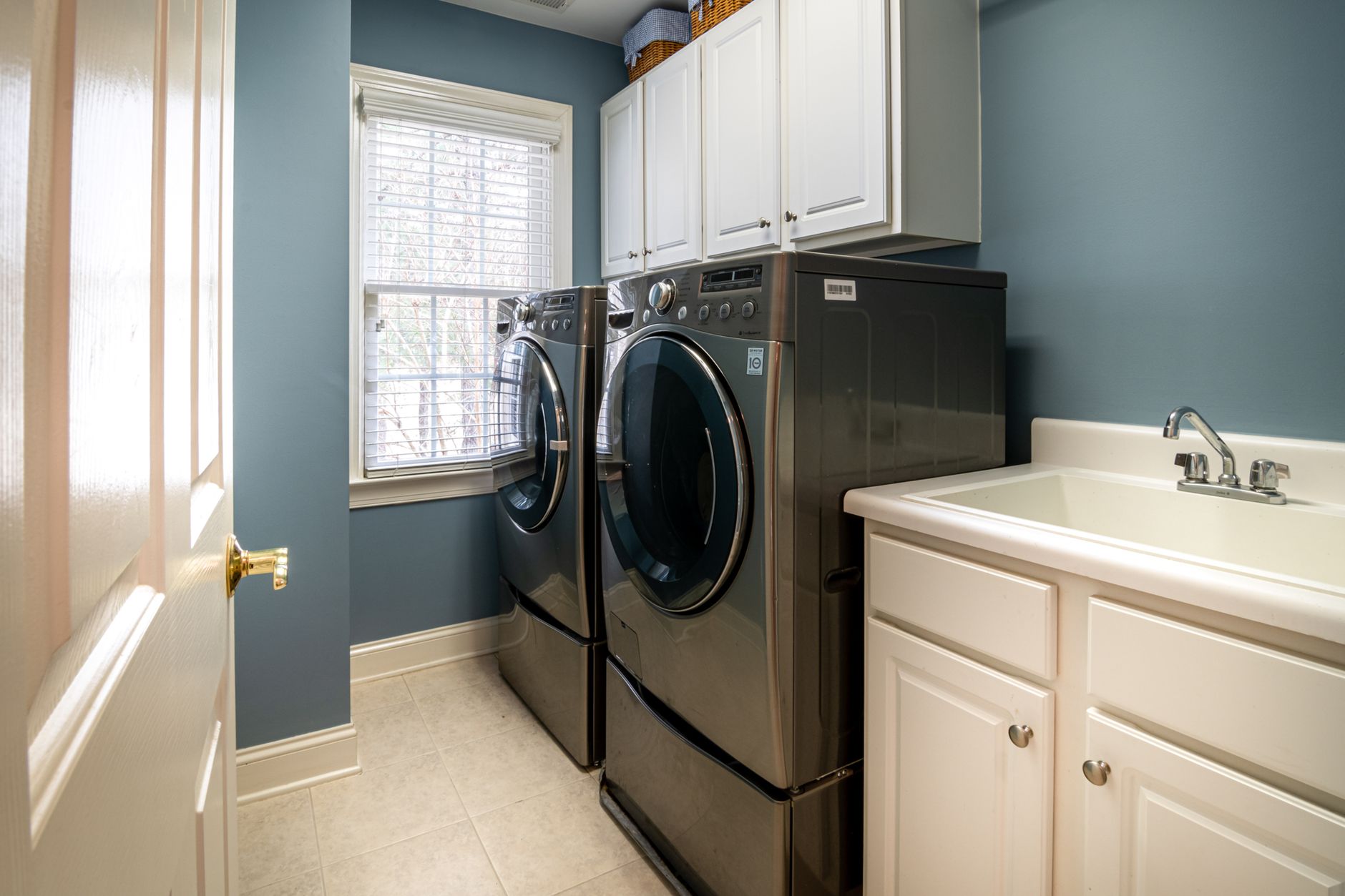
A washer stopped full of gray water has a blocked or dead drain path — filter, hose, pump, and the switches that authorize them, in that order of likelihood. Half the cases end at the first two steps; the rest end better the sooner the cycles stop.
Tonight, with towels
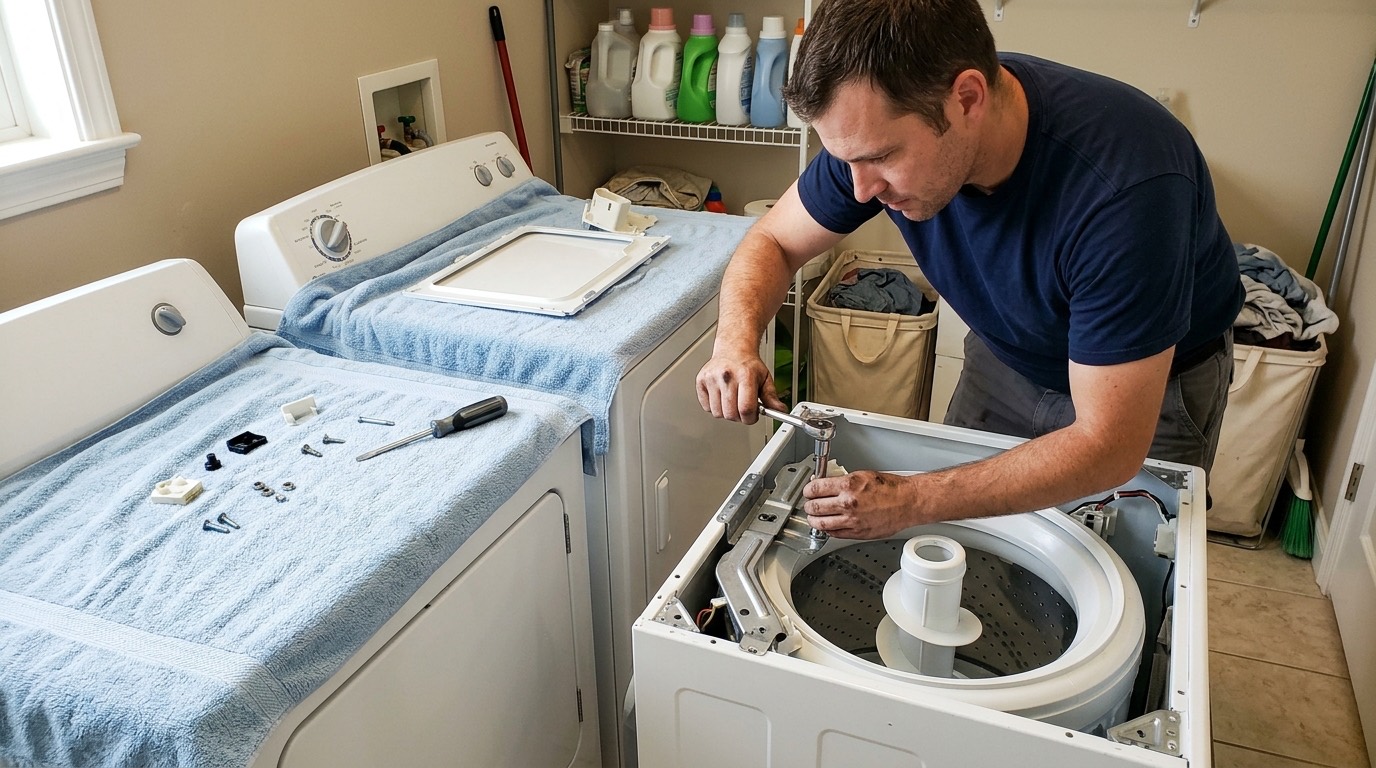
Front-loaders: open the coin trap behind the lower panel and evict the socks and bobby pins. Check the hose behind the machine for kinks, and confirm it sits loose in the standpipe — jammed tight, it seals and breaks the siphon.
Top-loaders that fill and agitate but neither drain nor spin: the lid switch leads the list, and it is among the cheapest parts on the machine.
Basement plumbing, the Toledo subplot
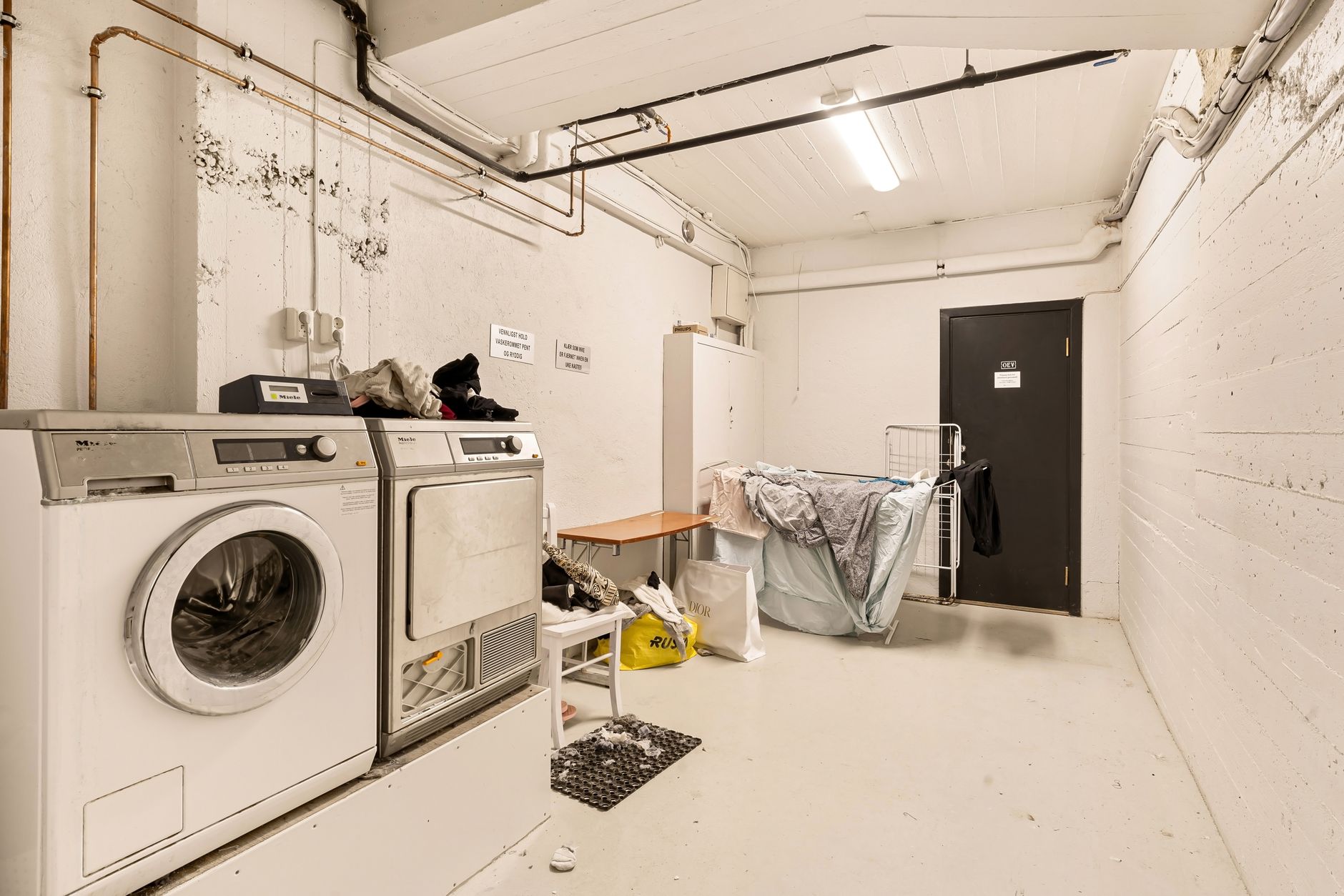
Machines draining into old cast-iron standpipes or floor drains meet house-side clogs that mimic washer failure. If the standpipe backs up or the floor drain burps when the washer tries to empty, the drain snake solves what the parts truck cannot.
Translate the sound
Humming and straining: pump versus obstruction. Grinding: pump eating its impeller — stop now. Silence at drain time: electrical, from lid switch to timer to board. The sound you report at booking pre-sorts the entire visit.
Protect the cheap outcome
One pass through trap and hose, then stop running cycles; repeated attempts against a blockage are how affordable pump repairs become motor replacements. Book with the model tag, the sound, and how fast the problem developed — gradual means clog, sudden means part.
One pass, then the phone
Trap once, hose once, then stop — every additional forced cycle converts pump repairs into motor replacements. Bail below the door line before opening a front-loader.
Book with the tag, the drain-time sound, and the speed of onset; add whether the standpipe or floor drain complained, and you have pre-diagnosed the visit from your basement.