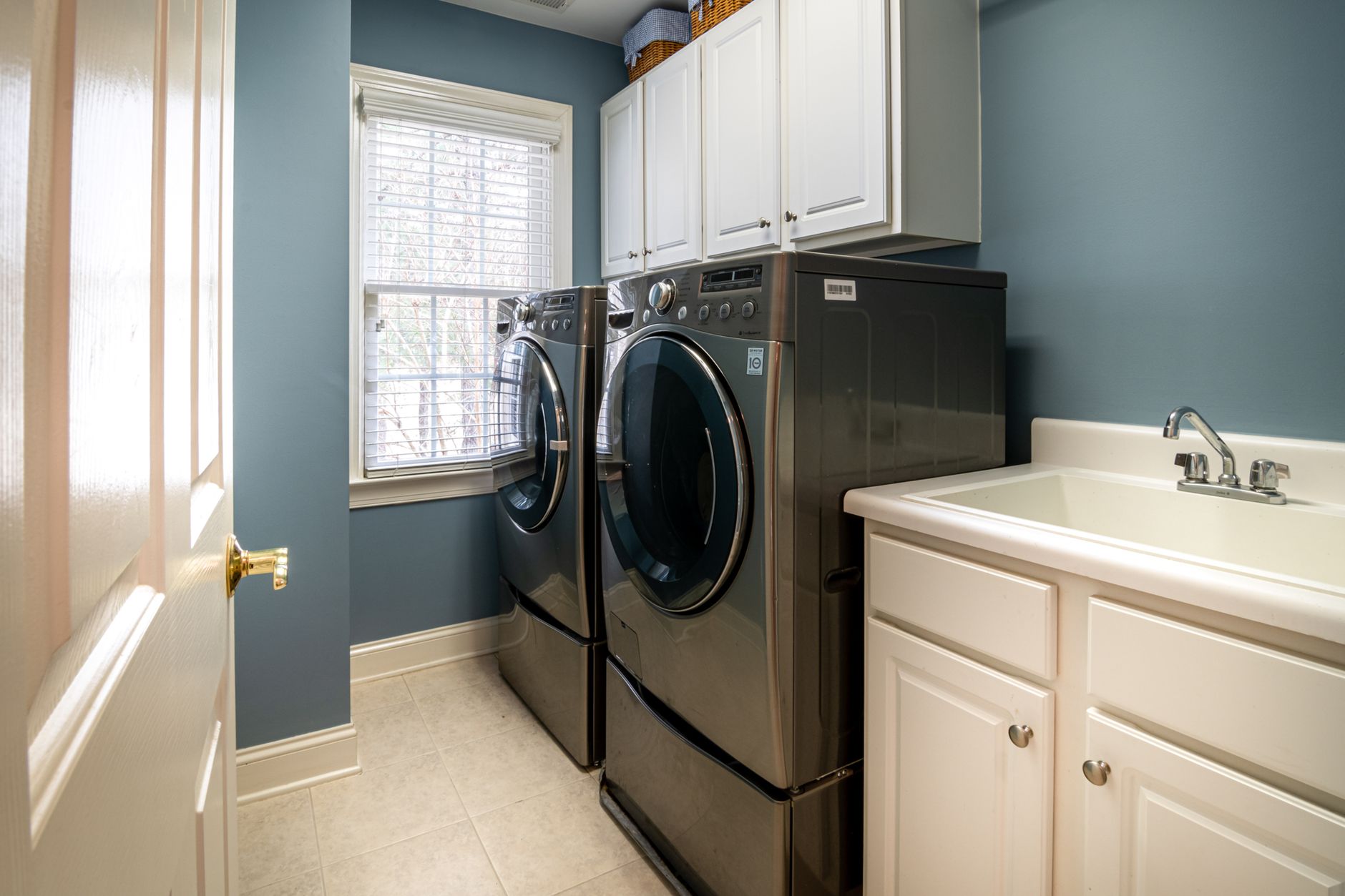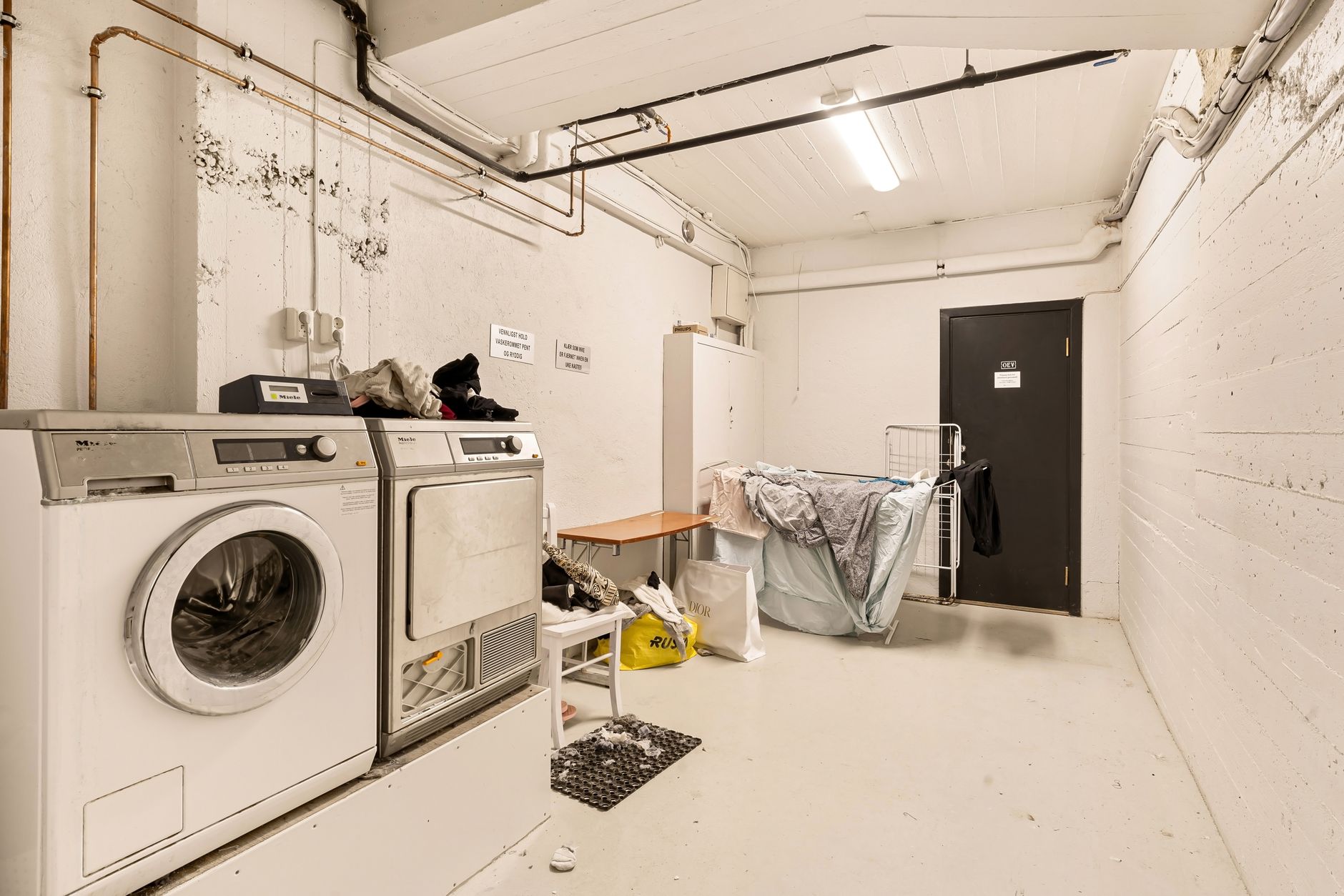
Lake Erie weather takes appliances out in two waves — the outage, then the restoration surge. Most machines come back with a reset; some come back broken; and telling the difference quickly protects both the groceries and the claim.
The restoration checklist
Give refrigeration a few hours to pull down before judging. Check every breaker including the dryer's double-pole. Hard-reset anything confused — unplug two minutes, restart. Then check the basement and garage GFCIs, the silent freezer-killers of every storm season.
Frozen-food math while you wait: a full freezer holds roughly 48 hours sealed, half-full about 24. A quarter on top of a frozen cup of water tells the story if you were away.
What surge damage looks like
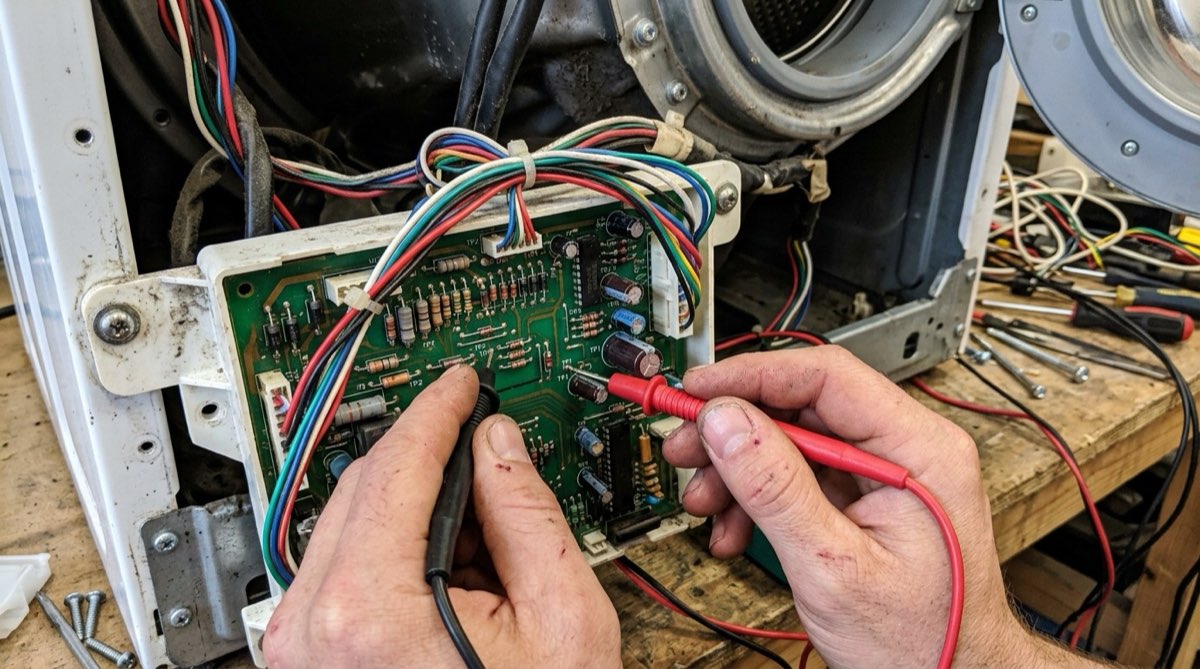
Machines fully dead after power returned, displays speaking in tongues, or the unmistakable burnt-board smell. Modern appliances take surges in their electronics; motors usually survive. Boards are repairable — but diagnose before parts-cannon spending.
Brownout damage is slower: a fridge that runs hotter and louder after the storm week took compressor wear it will not confess to for months. Cheap checkup now, or expensive surprise later.
Building the claim file
Photos with dates, the outage timeline, receipts if food loss is claimable, and the tech's written surge-consistent diagnosis. Homeowner policies and utility claims both run on that exact folder.
Before the next front
Panel-level surge protection plus point-of-use protectors on the fridge and laundry pair; the freezer kept full through storm season; GFCIs checked after every event. Toledo weather is a schedule — protect on one.
The seasonal drill
After each event: breakers, resets, GFCIs, a listen at the fridge. Each spring and fall: surge protection verified, freezer stocked, the quarter-on-ice trick set before travel. After damage: photos, timeline, written diagnosis, claim.
Lake Erie weather runs on a schedule; fifteen minutes a season keeps your appliances off its casualty list.