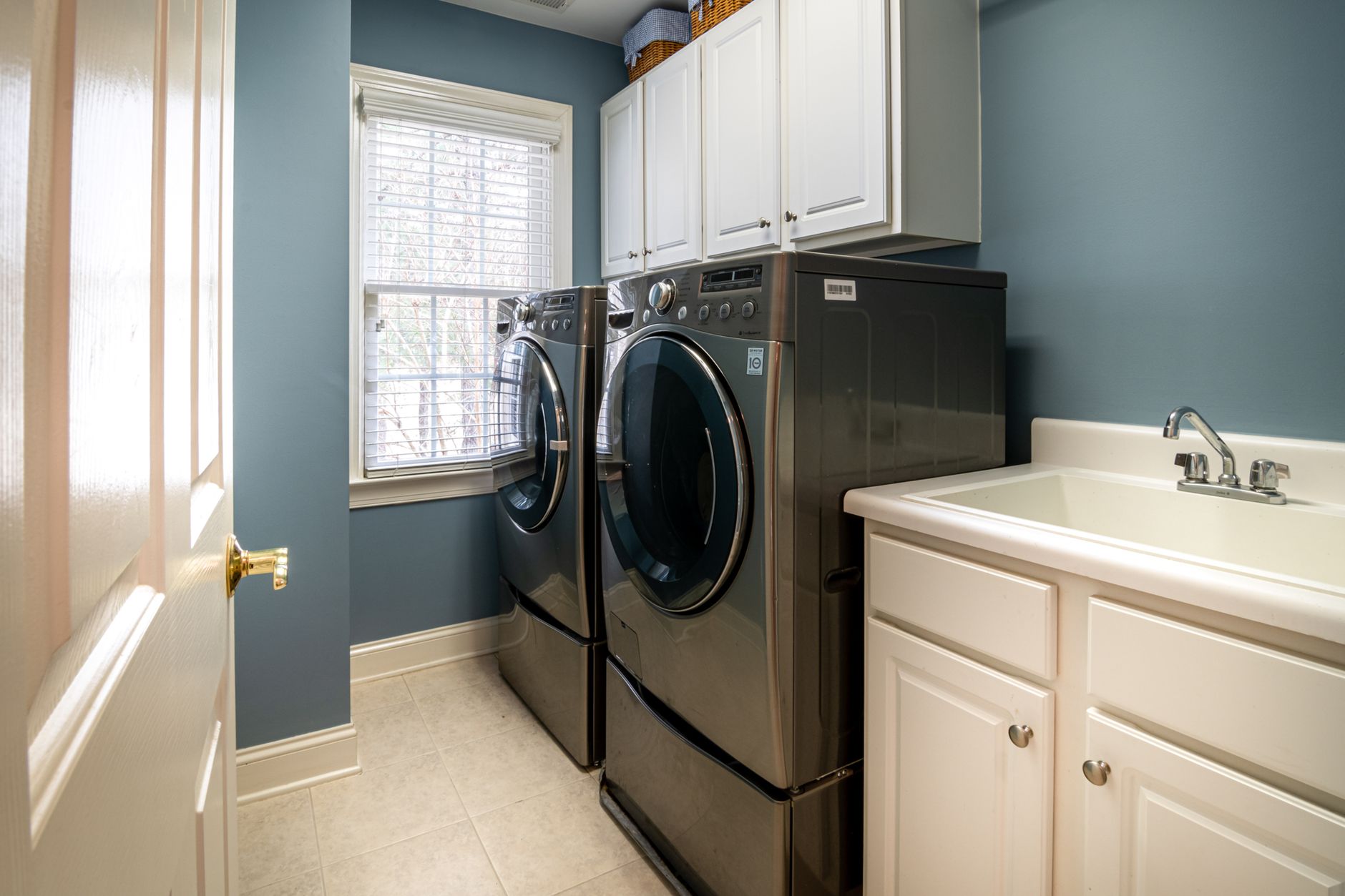
The repair-or-replace call comes down to three numbers: age against expected lifespan, quote against replacement cost, and the failed part's category — consumable or core. Hold those three and the decision mostly makes itself.
Lifespans, roughly
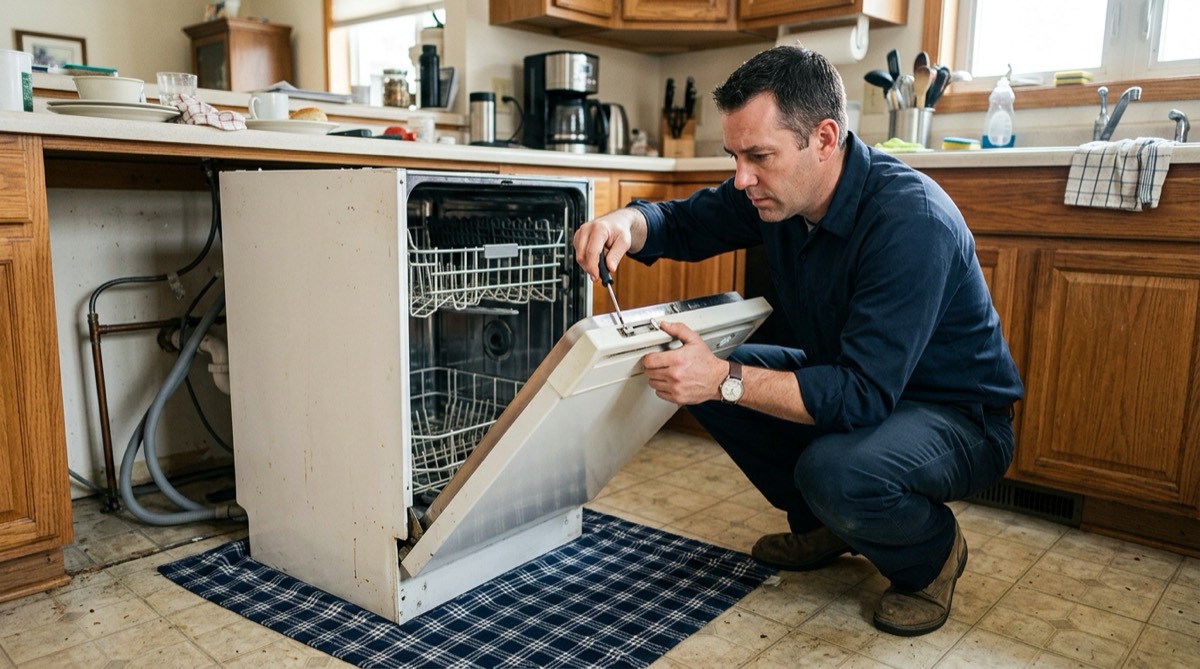
Refrigerators and gas ranges 12-15 years; washers and electric ranges 10-12; dishwashers and dryers 9-12. First half of the span, repair by default; past the end, replacement needs no defense.
Ratio plus category
Over half of replacement cost on a machine past half its life: replace. But belts, relays, fans, fuses, and gaskets are wear items — worth fixing at almost any age. Compressors and drum bearings on aging machines are the machine resigning.
The diagnostic visit is paid intelligence: the quote plus the tech's honest read on what fails next. Use it as a decision tool, not a sunk cost.
Where the old-house context tilts it
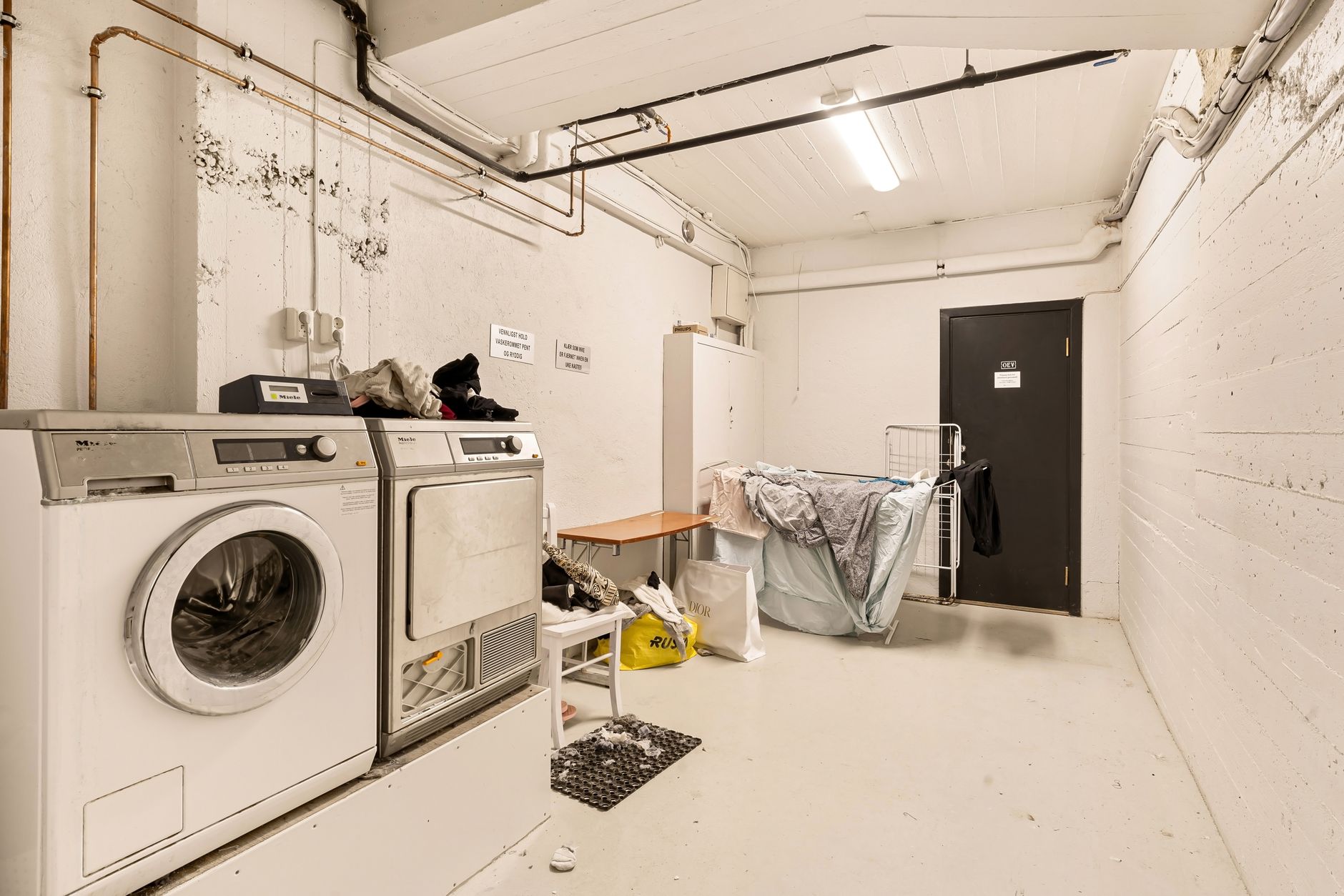
Pre-electronics workhorses — common in Toledo basements — repair cheaply and keep going; their replacements often will not match the lifespan. Meanwhile a fancy new machine on a 1950s circuit inherits problems no warranty covers. Sometimes the right spend is the outlet, not the appliance.
Clear replacement wins
Pre-2010 refrigerators lose the energy math outright. Second major failure in a year is the machine voting. And board-level storm damage on an old unit rarely justifies board prices. Otherwise, repair the solid mid-lifer and bank the difference.
Deciding without regret
Run the three numbers, let part category break ties, and let the old-house context weigh in — sometimes the money belongs in the outlet or the drain line, not the appliance. The diagnostic fee is what buys the facts.
Around Toledo the machines worth defending are usually the pre-electronics basement veterans. Ask the tech which side of that line yours is on; the honest ones answer instantly.