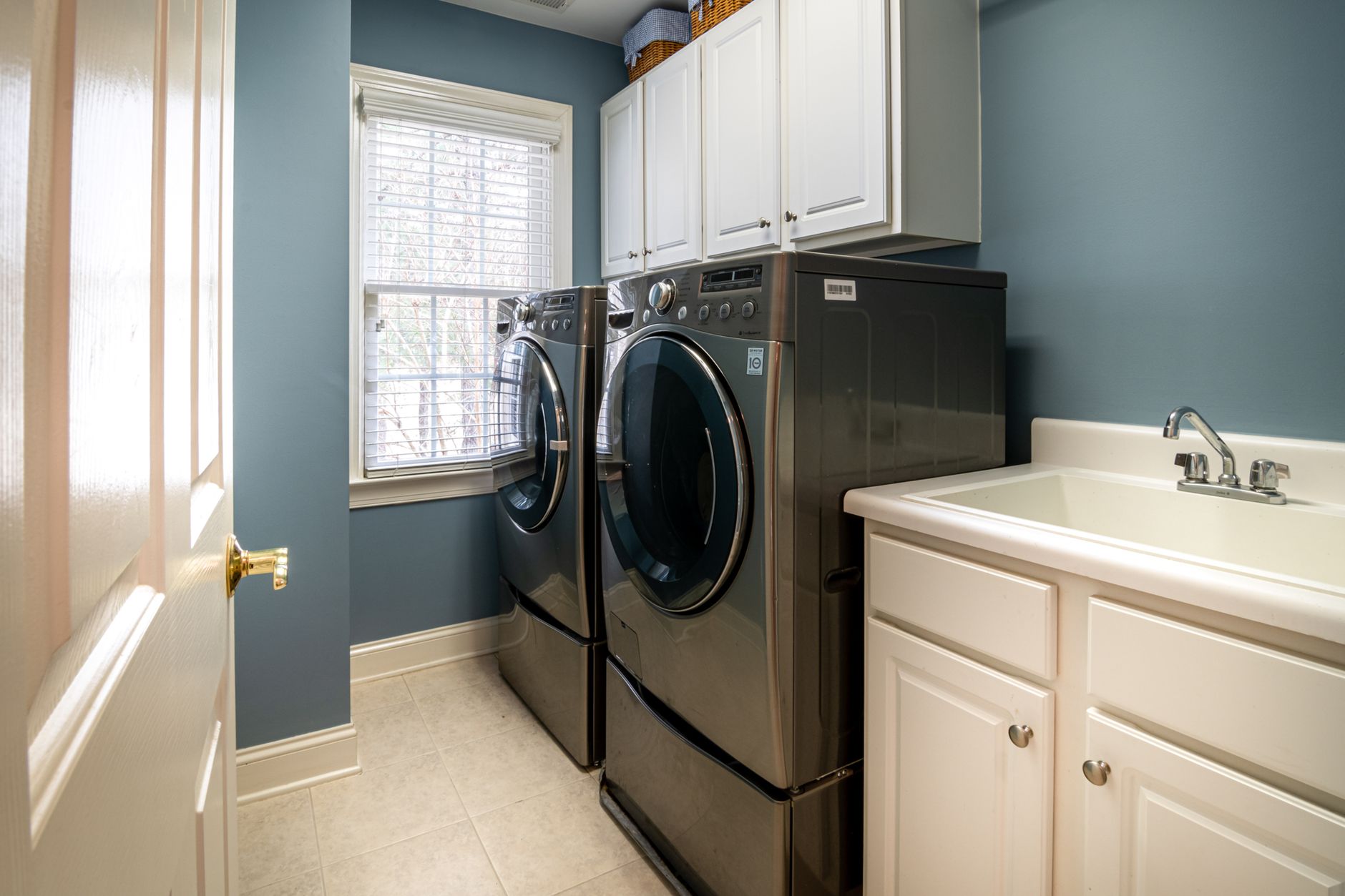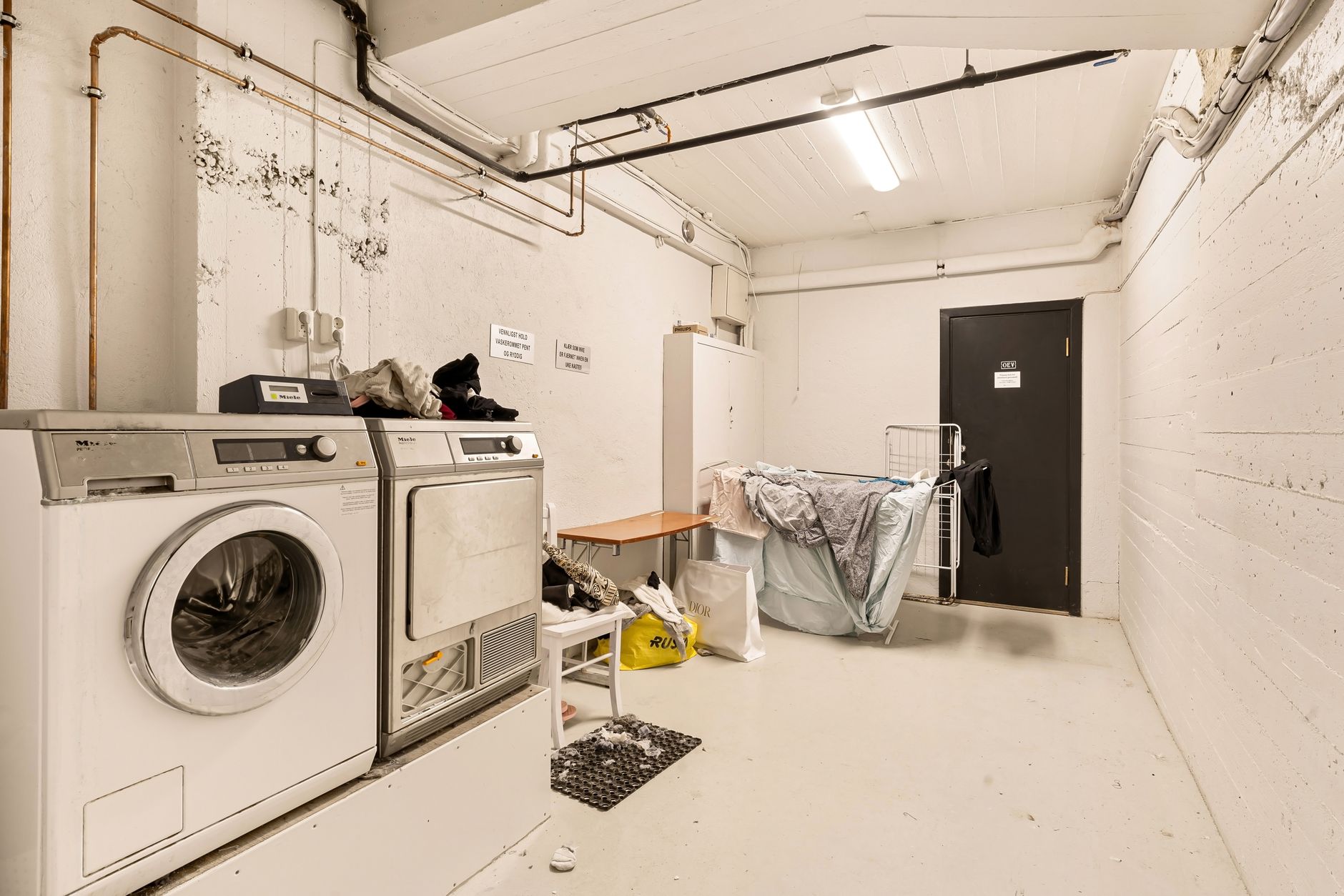
A dryer that tumbles cold has a short mechanical suspect list, but the list has a hierarchy: the thermal fuse dies protecting the machine from a plugged vent, so the vent is the real patient. Fix the part without the airflow and the repair has an expiration date.
The fuse-first chain
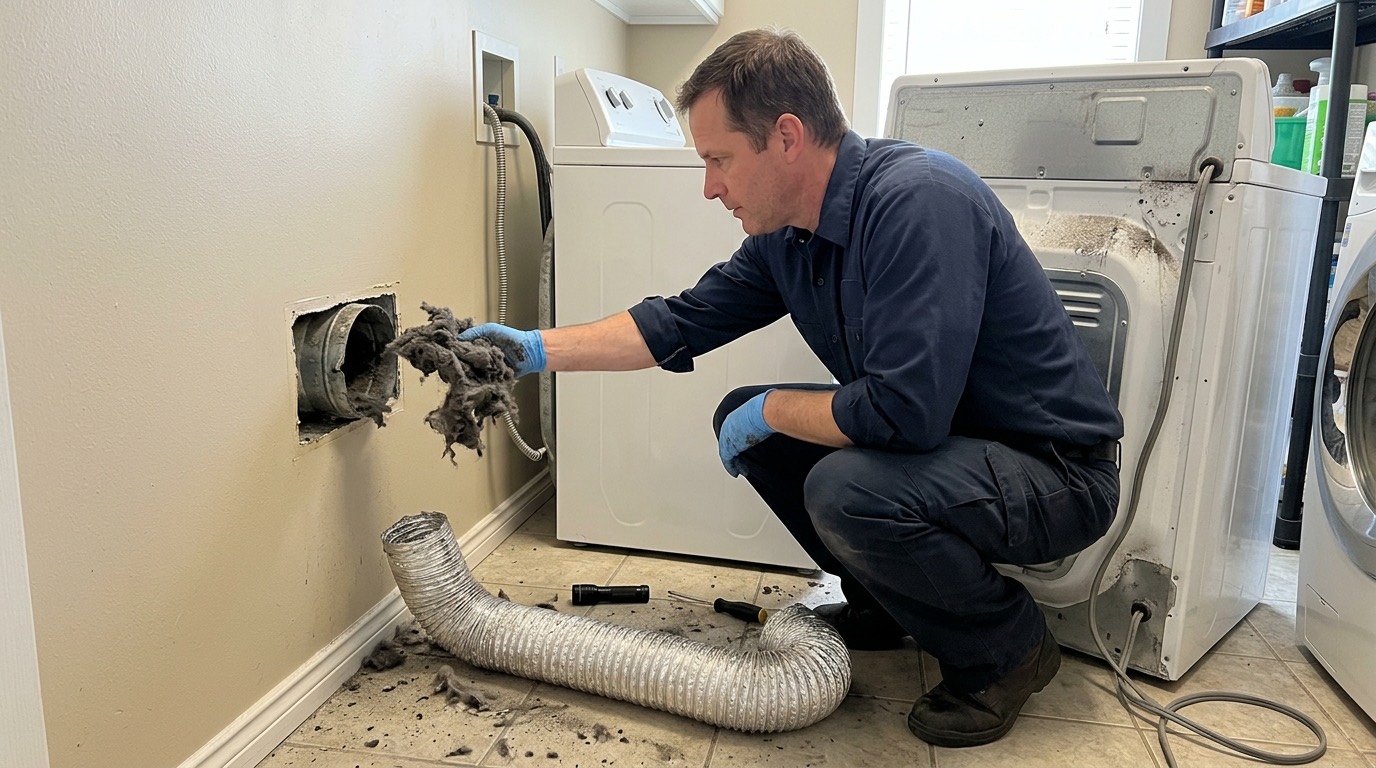
Lint chokes the duct, heat lingers, the one-shot thermal fuse blows, the drum keeps turning without heat. Toledo's basement laundry rooms often push long duct runs to reach an exterior wall — more feet, more lint, more of exactly this call.
Past the fuse: heating elements and cycling thermostats on electric machines, igniters and valve coils on gas. All of it routine, all of it truck stock.
Owner checks that cost nothing
Both halves of the 240V breaker (one leg tripped = motion without heat), the lint screen, and the exterior flap while the machine runs. Weak airflow at the flap convicts the duct before any panel comes off.
Winter adds one: check the flap is not frozen shut or snow-blocked — a January special on north-facing walls here.
Gas or electric, different tells
Gas dryers narrate: click, glow, ignition. Glow without flame implicates the valve coils; no glow, the igniter. Electric machines keep their secrets for the multimeter — element continuity and thermostat function read out in minutes.
The lasting fix
Part plus duct, same visit, every time. In a lake-humidity town where lint mats instead of drifting, an annual vent cleaning is the difference between owning a dryer and renting failures.
The action order
Breaker halves, lint screen, outside flap — including whether winter froze it shut. Solved or not, you now have the story the scheduler needs: model tag, gas or electric, sudden or gradual. Sudden is a part; gradual is the duct.
Take the vent cleaning with the repair, whatever the failed part turns out to be. A fresh fuse breathing through a felted duct is a countdown, not a fix.